Old Fontana
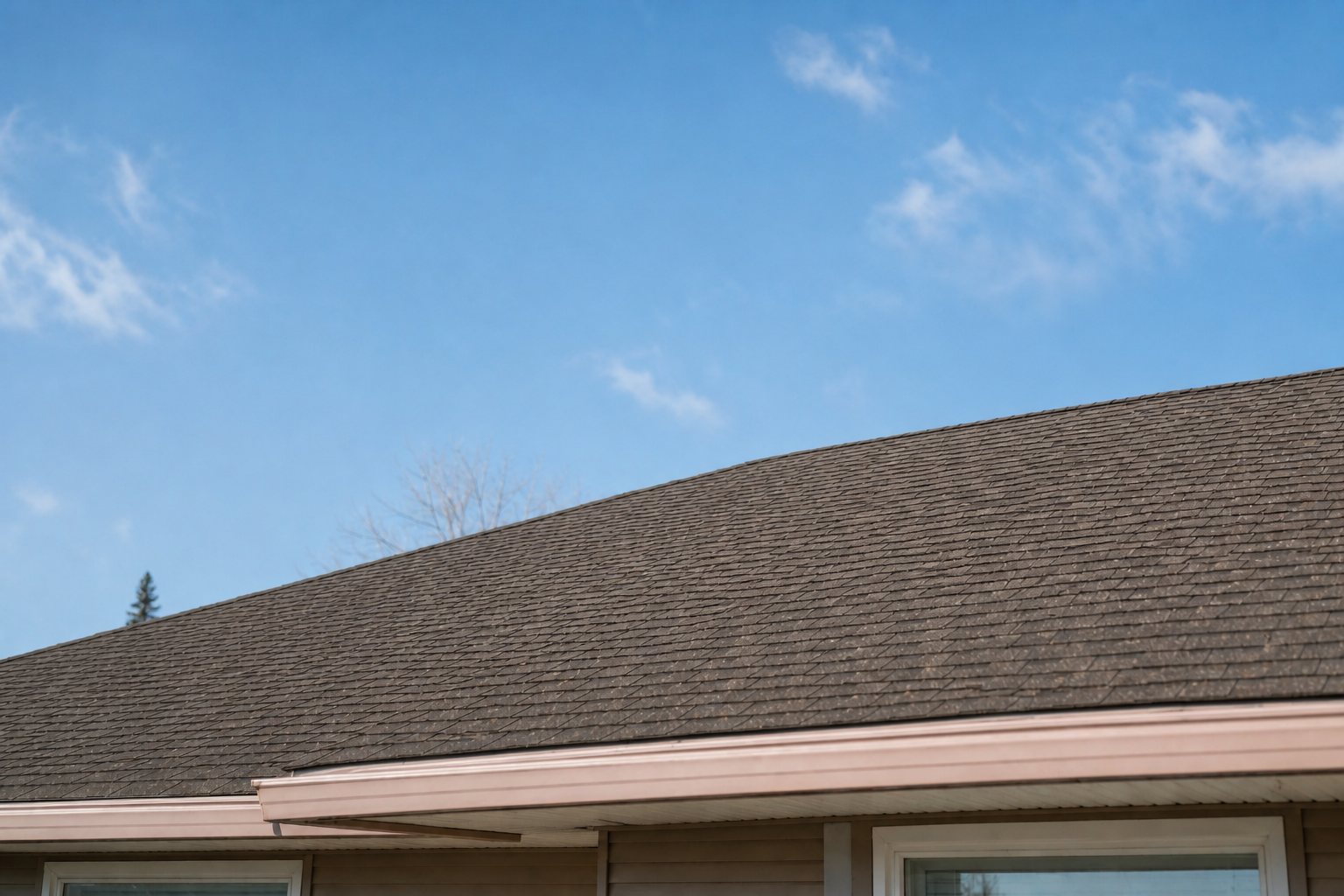
Near downtown and along the older avenues are the houses built for the steel mill workforce: small, single-story, from the 1940s and 50s, with composition shingle and a fair number of flat-roofed additions. Many have been overlaid and are due for a proper tear-off. Some of the older properties still have original skip sheathing under the shingle.
These are quick roofs to replace and satisfying to get right.
The tracts
From the 1980s through the 2000s Fontana built enormous tracts of two-story stucco houses with concrete tile. The oldest of those tracts now have underlayment at the end of its life, and re-lays are steady work. The newer ones mainly need cracked tile and ridge repairs after other trades have walked on them.
Solar installers have cracked more tile in Fontana than the weather has.
North Fontana
Up toward the foothills the newest neighborhoods sit in open wind exposure off the mountains and get the same Santa Ana treatment as Rialto's north end. Ridge caps and eave closures suffer. Fire hazard zoning touches the northern edge.
Wind-rated ridge systems are worth the small extra cost on any re-lay there.
Warehouses
Fontana's logistics buildings have vast flat roofs, and while the largest have their own contractors, the smaller industrial buildings and older commercial strips along the main roads do not. Ponding, drains, rooftop unit curbs and aged membranes are the usual issues, and a reflective recover is the usual fix.
I take on the small and mid-sized buildings that the big outfits do not want.
What I do in Fontana
Tear-offs in the old town, tile re-lays and ridge work across the tracts, cracked-tile repairs after solar and HVAC visits, wind damage in the north, and flat roof repairs on the smaller commercial buildings. Inspections for the constant turnover of tract houses.
Fontana is a longer run from home base than Rialto but well inside my regular loop.
What to check yourself
After any trade has been on the roof, walk the street side with binoculars and look for tiles that sit lower than their neighbors or have a visible crack line; those are the ones the installer stepped on. On the older houses, look at the eaves for sagging gutters and stained fascia, which tell you the roof edge has been wet.