South and central Rialto
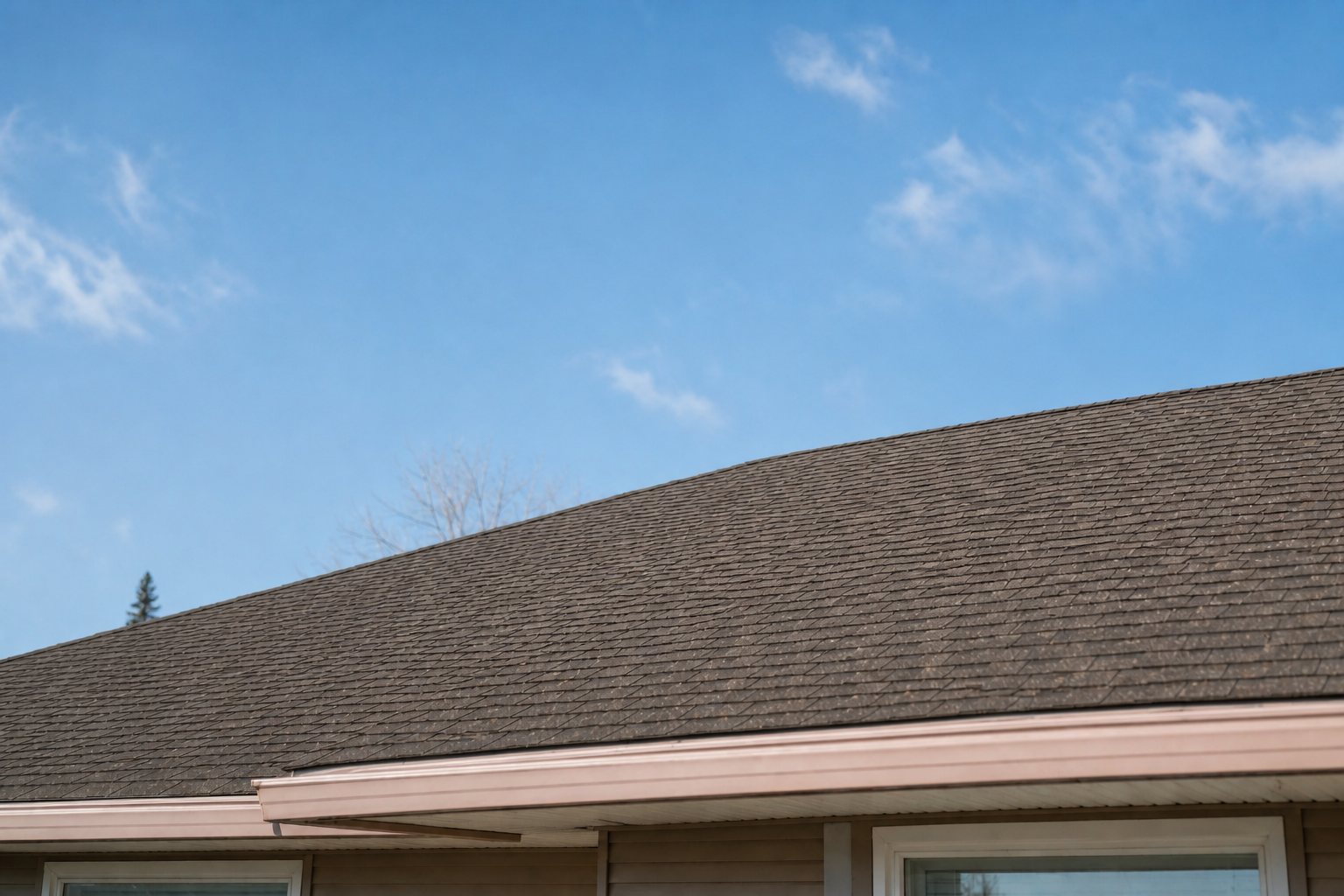
Single-story ranch houses from the 1950s through the 70s on flat lots, mostly composition shingle, many with a second layer added at some point. Low pitches, simple gables, and pipe boots and vent flashings that have been through several summers too many. These are honest, straightforward roofs.
Overlays are common here, and the next roof on most of them is a full tear-off.
North Rialto
North of the 210 the tracts are newer, two-story, and roofed in concrete tile. They face the mouth of the Cajon Pass and take the Santa Ana winds head-on. Ridge caps loosen, eave closures blow out, and dust drives under the field tiles. The underlayment on the earliest of these tracts is now at the age where re-lays begin.
Wind detailing is the most important part of any North Rialto spec.
The Lytle Creek side
Along the wash on the west edge the ground is open and the wind has nothing to slow it. Houses there see the worst gusts in the city. Anything loose on a roof, a cap, a dish mount, a tarp, goes. I recommend a post-wind check every fall for those streets.
Debris from the wash and the open lots ends up in the gutters too.
Heat
Rialto is as hot as anywhere in the valley in summer, and the older shingle roofs with minimal attic ventilation cook. Adding ridge vents and choosing a cool-roof shingle at replacement time makes a measurable difference to the upstairs rooms and to how long the new roof lasts.
Dark shingle on a poorly vented attic is the worst combination here.
What I do in Rialto
Shingle replacements and tear-offs across the older streets, tile repairs, ridge resets and early re-lays in the north, wind damage response every fall, and inspections for the many houses being bought and sold. Ventilation upgrades wherever I open a roof.
Rialto is straight across the valley from home base and easy to reach.
What to check yourself
After a Santa Ana night, look for ridge caps out of line and anything in the yard that came off the roof. On the older shingle houses, a hand on the ceiling upstairs on a hot afternoon tells you how well the attic is venting; if it is warm to the touch, the roof above is aging fast and ventilation should be part of the next job.